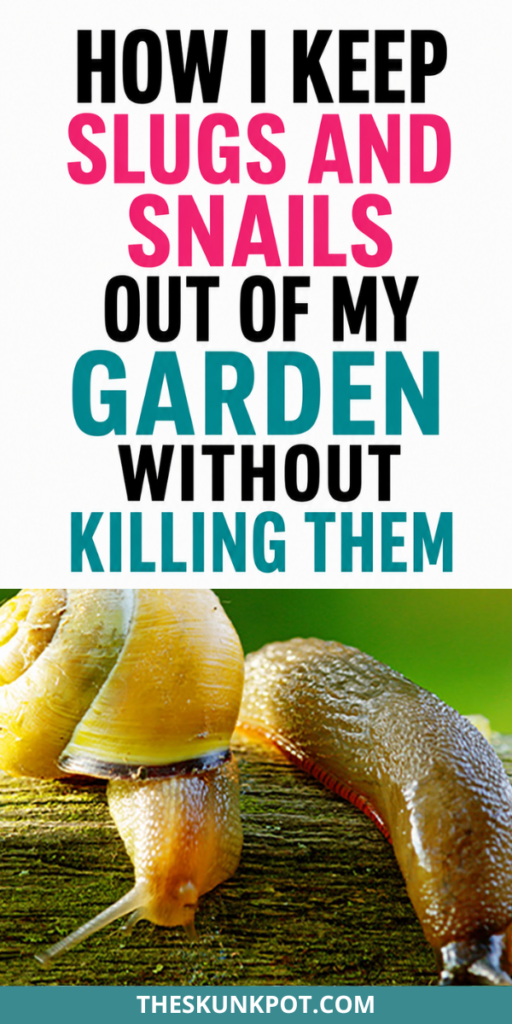
Slugs and snails may look harmless, but they can cause an incredible amount of damage in a garden overnight. One evening, your lettuce, basil, hostas, and young seedlings look perfectly healthy. By the next morning, the leaves are full of holes, tender stems have disappeared, and shiny slime trails reveal exactly what happened.
For a long time, I thought the only way to protect my plants was to use traps, pellets, or other methods that killed the slugs and snails. However, I did not feel comfortable harming them simply because they had found an easy source of food in my garden.
Instead, I began looking for humane ways to discourage them, redirect them, and make my garden less attractive without using harsh chemicals or lethal traps.
The results did not happen overnight, but by combining several simple strategies, I was able to dramatically reduce the damage to my plants. The key was realizing that no single trick works perfectly on its own. A successful slug and snail prevention plan is about creating several small obstacles that make your garden a difficult and inconvenient place for them to feed.
Here is exactly how I keep slugs and snails out of my garden without killing them.
Why Slugs and Snails Are Attracted to Gardens
Before trying to stop slugs and snails, it helps to understand why they are visiting in the first place.
Slugs and snails prefer cool, damp, protected environments. They are especially active at night, after rainfall, and during cloudy or humid weather. During the day, they often hide underneath plant pots, boards, rocks, dense vegetation, garden decorations, fallen leaves, and other shaded objects.
A typical garden provides almost everything they need:
- Moist soil
- Shaded hiding places
- Tender young plants
- Decaying leaves and organic material
- Protection from hot sunlight
- Regular watering
This means the goal is not necessarily to make the entire garden completely dry or empty. That would be unrealistic and unhealthy for many plants. Instead, I focus on reducing unnecessary moisture, removing the most attractive hiding places, and protecting the plants that slugs and snails are most likely to eat.
1. I Water My Garden in the Morning
One of the easiest changes I made was switching from evening watering to morning watering.
When a garden is watered late in the day, the soil, leaves, and surrounding surfaces may remain damp throughout the night. This creates ideal conditions for slugs and snails because nighttime is when they are naturally most active.
Morning watering gives the surface of the soil time to dry before sunset. The roots still receive the moisture they need, but the garden is less inviting after dark.
I also try to water the base of each plant instead of spraying the entire garden bed. A watering can, drip irrigation system, or soaker hose helps direct water toward the roots while keeping surrounding pathways and leaves drier.
This simple habit will not remove every slug or snail, but it can noticeably reduce nighttime activity around vulnerable plants.
2. I Remove Their Daytime Hiding Places
Slugs and snails need cool, sheltered places where they can hide from heat and sunlight. When I began checking my garden carefully, I discovered them hiding in places I had never considered.
Common hiding spots include:
- Under flowerpots
- Beneath wooden boards
- Under bricks and flat stones
- Inside dense ground cover
- Beneath fallen leaves
- Around stored gardening supplies
- Under plastic containers
- Along the edges of raised beds
- Beneath bags of soil or compost
I now keep the garden as tidy as possible, especially around seedlings and leafy vegetables. I remove unnecessary boards, empty pots, piles of weeds, and other objects lying directly on damp soil.
I do not remove every stone or piece of natural habitat from the garden. Instead, I focus on the areas closest to the plants I am trying to protect.
When slugs and snails have fewer hiding places near their food source, they are less likely to remain in that part of the garden.
3. I Relocate Them Instead of Killing Them
After rain or in the early morning, I often walk around the garden and collect visible slugs and snails by hand.
I wear gardening gloves and place them temporarily in a container with air holes. I then relocate them to a suitable shaded area away from the plants I want to protect.
Relocation works best when it is done consistently. Moving only one or two slugs while leaving dozens hidden nearby will not make much difference. During periods of heavy activity, I may check the garden for several evenings in a row.
It is also important to choose a responsible relocation area. I avoid placing them in someone else’s garden or near cultivated crops. A natural, damp area with leaf litter and wild vegetation is generally more appropriate.
Hand collection may sound time-consuming, but it becomes much faster once you learn where they normally hide. A quick evening inspection with a flashlight can be surprisingly effective.
4. I Use Copper Barriers Around Vulnerable Plants
Copper tape and copper mesh are popular non-lethal barriers for pots, containers, raised beds, and individual plants.
The idea is to create a continuous copper boundary that slugs and snails are reluctant to cross. I have found copper barriers most useful around container plants and smaller raised beds where it is possible to create an unbroken ring.
For the best results, the copper should be:
- Wide enough to create a noticeable barrier
- Clean and free from heavy dirt
- Installed without gaps
- Placed where leaves do not hang over it
- Checked regularly for damage
A single leaf touching the ground outside the barrier can act like a bridge. Slugs may simply crawl up the leaf and bypass the copper completely.
Copper is not always perfect, especially when it becomes dirty or weathered. However, it can be a useful part of a larger prevention system.
5. I Protect Young Seedlings With Physical Covers
Young seedlings are especially vulnerable because their leaves and stems are soft, tender, and close to the ground.
Instead of trying to protect an entire garden bed, I often protect individual seedlings during their first few weeks.
Simple protective covers can be made from:
- Clear plastic bottles with the bottoms removed
- Garden cloches
- Fine mesh covers
- Plant collars
- Ventilated food containers
- Small protective cages
Any cover should provide enough airflow and should not trap too much heat in direct sunlight. Bottle cloches may need to be removed or opened during warm days.
Once plants become larger and stronger, they are often better able to tolerate minor damage. Protecting them during the earliest stage can make the biggest difference.
6. I Grow Vulnerable Plants in Containers
Some plants are simply too attractive to slugs and snails to leave unprotected in an open garden bed.
Basil, lettuce, young vegetables, strawberries, hostas, and tender seedlings may be easier to protect when grown in raised containers.
I place pots on stands, shelves, patios, gravel surfaces, or other areas that are harder for slugs and snails to reach. I also check the bottom of each pot regularly because slugs can hide inside drainage areas or underneath the rim.
For additional protection, I apply copper tape around the outside of the container. The tape should form a complete ring without gaps.
Container gardening does not guarantee that slugs will never reach the plants, but it gives me far more control over the surrounding environment.
7. I Create Dry, Uncomfortable Pathways
Slugs and snails move most easily across smooth, damp surfaces. Dry and rough materials may make certain routes less attractive.
Around selected plants and raised beds, I sometimes create wider, dry pathways using materials such as coarse gravel or dry wood chips.
The important word is “dry.” Many materials that feel rough when dry become much easier for slugs to cross when wet.
Barriers made from crushed eggshells, sand, ashes, or similar materials are often recommended online. In my experience, these methods are unreliable, especially after rain or watering. They may help temporarily in dry weather, but they should not be treated as a complete solution.
I prefer to use permanent pathways and combine them with morning watering and regular garden maintenance.
8. I Trim Plants That Touch the Ground
Slugs and snails do not always crawl directly across an exposed garden bed. They may use overhanging leaves, weeds, wooden edges, or nearby plants as bridges.
I regularly trim leaves that touch the soil, especially around container plants and raised beds. I also remove weeds growing directly against protected areas.
This creates better airflow, reduces damp hiding places, and makes it harder for slugs and snails to reach the plants without crossing a barrier.
However, I avoid over-pruning. The goal is not to remove healthy growth unnecessarily. I simply prevent foliage from creating hidden pathways from the ground to the plant.
9. I Choose Some Plants That Slugs Usually Avoid
No plant is completely slug-proof, especially when food is limited. However, slugs and snails often prefer tender, soft, young leaves over strongly scented, hairy, tough, or leathery foliage.
Depending on the garden and local conditions, they may be less attracted to plants such as:
- Lavender
- Rosemary
- Sage
- Thyme
- Ferns
- Geraniums
- Euphorbia
- Certain ornamental grasses
- Plants with tough or aromatic leaves
I use some less-attractive plants around the edges of vulnerable growing areas. I do not rely on them as a magical repellent, but they help me avoid creating a garden filled entirely with the plants slugs love most.
A mixed garden is usually easier to protect than a large area planted only with tender leafy vegetables.
10. I Encourage Natural Garden Balance
A healthy garden is an ecosystem, not just a collection of plants.
Birds, frogs, toads, ground beetles, and other wildlife may naturally help control slug populations. I do not introduce animals specifically for slug control, but I try to make the garden welcoming to local wildlife.
This may include:
- Providing a shallow water source
- Growing a variety of plants
- Avoiding broad-spectrum pesticides
- Leaving some natural shelter away from vegetable beds
- Creating a small wildlife-friendly corner
- Providing safe access for birds
The goal is balance rather than complete elimination. Slugs and snails also play a role in breaking down decaying organic matter, so I do not expect or want to remove every single one from the garden.
I simply want to keep their population and feeding activity at a level my plants can tolerate.
11. I Keep Compost and Decaying Material Away From Seedlings
Slugs and snails are attracted not only to living plants but also to soft, decaying organic matter.
Compost is extremely beneficial for the garden, but poorly placed piles of wet leaves, grass clippings, or decomposing material may become ideal hiding areas.
I keep active composting areas away from my most vulnerable plants. When using compost as mulch, I avoid creating thick, constantly wet layers directly around young stems.
I also remove damaged leaves and fallen produce before they begin to rot on the ground.
This does not mean the garden must be perfectly clean. Organic matter is valuable. I simply manage it carefully so it does not create a sheltered slug habitat beside my lettuce or seedlings.
12. I Inspect New Plants Before Bringing Them Into the Garden
Slugs, snails, and their eggs can sometimes arrive with nursery plants, containers, soil, or garden materials.
Before placing a new plant in the garden, I check:
- Under the pot
- Around drainage holes
- Beneath the rim
- Inside dense foliage
- On the soil surface
If possible, I keep new plants in a separate area for a short period and monitor them before placing them next to vulnerable crops.
This quick inspection can prevent accidentally introducing hidden slugs directly into a protected raised bed or greenhouse.
13. I Check the Garden After Rain
Rainy evenings are one of the best times to find slugs and snails.
Rather than waiting until I notice major plant damage, I inspect the garden shortly after rainfall. A flashlight makes slime trails easier to spot and helps reveal slugs feeding underneath leaves.
I pay particular attention to:
- Lettuce beds
- Young seedlings
- Strawberries
- Hostas
- Shaded corners
- The underside of containers
- Raised-bed edges
- Areas near compost
Regular inspection allows me to respond before a small problem becomes a large infestation.
14. I Use Sacrificial Plants Carefully
Some gardeners use sacrificial or trap plants to attract slugs away from important crops. This can work, but it must be managed carefully.
A sacrificial plant should be placed far enough from the protected area that it does not simply encourage more slug activity beside the main crop.
The plant also needs to be inspected regularly. Otherwise, it may become a permanent feeding and breeding area.
I prefer to use this technique only in combination with hand collection. When slugs gather around the sacrificial plant, I relocate them rather than allowing their numbers to increase.
15. I Avoid Depending on One Popular “Miracle” Remedy
There are many home remedies online that promise to solve a slug problem immediately. Some may work briefly under certain conditions, while others produce inconsistent results.
Common recommendations include:
- Coffee grounds
- Eggshells
- Sand
- Wood ash
- Garlic sprays
- Strongly scented herbs
- Wool barriers
The problem is that garden conditions constantly change. Rain washes materials away, moisture softens barriers, and hungry slugs may cross surfaces they would normally avoid.
I do not completely dismiss every home remedy, but I avoid relying on one material as my only defense.
The most effective humane approach has been combining several methods:
- Morning watering
- Removing hiding places
- Protecting seedlings
- Using physical barriers
- Relocating visible slugs
- Inspecting the garden after rain
Together, these steps are far more dependable than any single trick.
What I Do When Slug Damage Is Already Severe
When I notice heavy damage, I act quickly.
First, I inspect the plants at night and remove any visible slugs or snails. Then I check beneath nearby pots, boards, leaves, and garden decorations.
Next, I protect the remaining healthy growth with a temporary cloche, mesh cover, or container. I remove badly damaged and decaying leaves because they may continue attracting pests.
I also reduce unnecessary evening moisture and check whether any leaves or weeds are creating bridges across existing barriers.
For severely damaged seedlings, it may be better to replace them and protect the new plants immediately rather than waiting for another round of damage.
Humane Methods I Avoid
Because my goal is to discourage slugs and snails without killing them, I avoid methods designed to poison, drown, dehydrate, or injure them.
This includes lethal slug pellets, salt, beer traps, and deliberately sharp or harmful barriers.
Salt is particularly unsuitable for garden use because it can damage soil and plants in addition to harming slugs.
Beer traps are often described as natural, but they usually work by attracting and drowning slugs. They may also attract additional slugs from nearby areas.
A method being homemade or chemical-free does not automatically make it humane.
Frequently Asked Questions
Can slugs and snails be kept out of a garden completely?
Completely eliminating them is difficult, especially in damp climates. A more realistic goal is reducing their numbers and protecting the plants that are most vulnerable.
What time of day are slugs most active?
They are generally most active at night, during damp weather, and after rainfall. Early morning and evening are good times to inspect the garden.
Does copper tape really stop slugs?
Copper tape may discourage many slugs and snails, but it works best when it is wide, clean, continuous, and installed without gaps or plant bridges.
Do crushed eggshells keep slugs away?
Crushed eggshells may create a temporary rough surface, but they are not consistently reliable. Slugs may cross them, especially when the shells become wet or mixed with soil.
Are coffee grounds a good slug repellent?
Coffee grounds are often recommended, but their effectiveness is inconsistent. They should not be relied on as the only form of protection.
Should I remove every slug from my garden?
Not necessarily. Slugs and snails contribute to the decomposition of dead plant material. The goal is usually to prevent excessive damage rather than eliminate every individual.
How can I protect lettuce without using chemicals?
Grow lettuce in elevated containers, water in the morning, use copper barriers, remove nearby hiding places, and inspect the plants regularly after dark.
Why do slugs keep returning?
Your garden may continue providing moisture, food, shelter, or easy access. Lasting control usually requires changing the environment rather than removing only the slugs you can see.
My Simple Slug and Snail Prevention Routine
My routine is straightforward.
In the morning, I water only when necessary and direct the water toward the base of the plants.
Once or twice a week, I remove fallen leaves, weeds, unused pots, and damp materials near vulnerable beds.
After rain, I inspect the garden in the evening and relocate visible slugs and snails.
Young plants remain protected with covers or barriers until they are strong enough to tolerate minor feeding.
I also inspect containers regularly and make sure no leaves are hanging across copper tape or raised-bed barriers.
None of these jobs takes very long by itself. The consistency is what makes the system effective.
Final Thoughts
Keeping slugs and snails out of the garden without killing them requires patience, observation, and a combination of small changes.
There is no perfect barrier that works in every garden and every type of weather. However, reducing nighttime moisture, removing hiding places, protecting young plants, using physical barriers, and relocating visible slugs can dramatically reduce plant damage.
The biggest lesson I learned was that I did not need to fight nature with harsh chemicals. I simply needed to understand what was attracting slugs and snails and make my most valuable plants harder to reach.
My garden still has slugs and snails, especially after heavy rain. The difference is that they no longer destroy entire rows of seedlings overnight.
By creating a balanced garden and using humane prevention methods consistently, it is possible to protect your plants without harming the creatures that share the outdoor space.