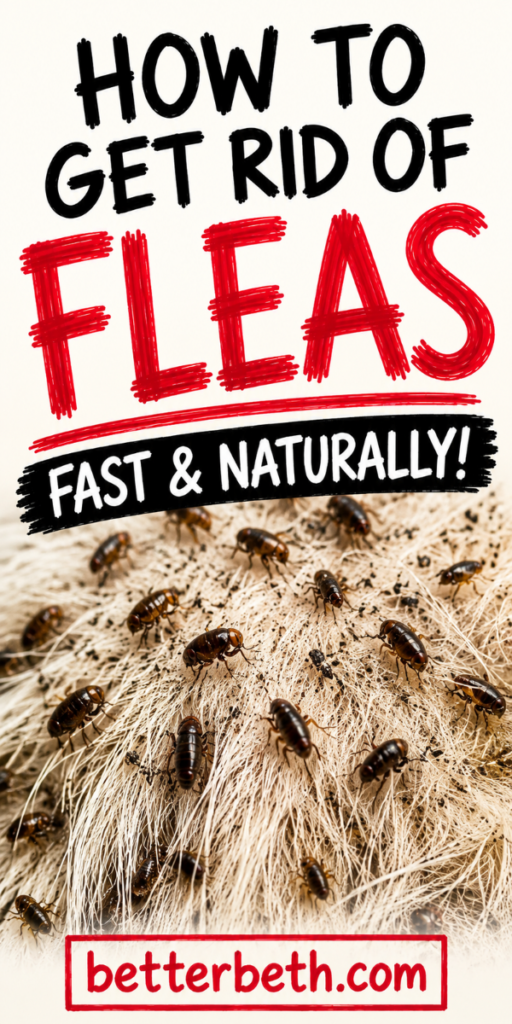
Fleas can be incredibly frustrating. You may notice itching, tiny bites, or small jumping insects around your pets, carpets, furniture, and floors. The hardest part is that killing the adult fleas you can see is only part of the solution. Eggs and immature fleas can remain hidden in your home and emerge later.
The key to getting rid of fleas is to treat the problem from several directions at once: deal with pets, clean the home thoroughly, remove flea-friendly hiding places, and repeat the process long enough to interrupt the flea life cycle.
1. Treat Every Pet in the Home
If you have cats, dogs, or other pets, talk to your veterinarian about an appropriate flea treatment. Treating only one animal can allow fleas to continue circulating through the household.
Never use a flea product on a pet unless it is specifically labeled for that species, age, and weight. Some products that are safe for dogs can be dangerous for cats.
2. Vacuum Carpets and Floors Every Day
Vacuuming is one of the simplest ways to remove flea eggs, larvae, pupae, and adult fleas from the environment. Concentrate on carpets, rugs, cracks in flooring, under furniture, and areas where pets sleep.
Empty the vacuum outside promptly if possible. Do not leave collected debris sitting inside the home because it may contain flea stages.
3. Wash Pet Bedding
Wash pet beds, blankets, washable covers, and fabrics where pets regularly sleep. Use the hottest wash temperature that is safe for the material and dry everything thoroughly.
Repeat cleaning regularly while you are dealing with an infestation because new flea stages can continue to emerge.
4. Clean Furniture and Hidden Areas
Fleas do not only live on pets. Eggs can fall into upholstery, cracks, under cushions, and other protected areas. Vacuum sofas, pet furniture, rugs, and hard-to-reach spaces where your animals spend time.
5. Use a Flea Comb
A fine-toothed flea comb can help remove adult fleas from a pet’s coat. Comb carefully around the neck, back, belly, and base of the tail. Drop anything you remove into soapy water.
A flea comb can help you monitor the problem, but it usually works best as one part of a broader flea-control plan.
6. Keep Outdoor Areas Clean
If your pets spend time outside, pay attention to shaded, protected areas where they rest. Keep grass trimmed, remove piles of leaves and debris, and reduce places where wildlife or stray animals may spend time close to your home.
7. Do Not Rely on One Cleaning Session
One deep clean may not eliminate an infestation. Flea eggs and pupae can survive in the environment and emerge later. Continue vacuuming and washing bedding regularly while following the treatment schedule recommended for your pets.
8. Be Careful With DIY Flea Remedies
Natural or homemade flea remedies are often promoted online, but natural does not automatically mean safe or effective. Essential oils and concentrated household substances can be harmful to pets, particularly cats. Avoid applying homemade mixtures directly to an animal unless a veterinarian has confirmed that the ingredients and concentration are safe.
9. Consider Professional Pest Control for a Severe Infestation
If fleas continue appearing despite consistent cleaning and appropriate pet treatment, professional pest control may be the best option. A specialist can help identify where fleas are developing and recommend an appropriate treatment plan for the home.
How Long Does It Take to Get Rid of Fleas?
Flea problems can take time to fully control because the life cycle includes eggs, larvae, pupae, and adults. You may still see some adult fleas after the first treatment as previously hidden stages emerge.
Consistency is more important than trying a different remedy every day. Keep cleaning, follow your pet’s treatment schedule, and continue monitoring the home.
How to Prevent Fleas From Coming Back
- Keep pets on a veterinarian-approved flea prevention plan.
- Wash pet bedding regularly.
- Vacuum carpets, rugs, and pet areas frequently.
- Keep outdoor areas tidy and reduce sheltered hiding places.
- Check pets regularly with a flea comb.
- Act quickly when you notice the first signs of fleas.
Frequently Asked Questions
What kills fleas quickly?
Appropriate flea treatments for pets can kill adult fleas, while thorough cleaning helps reduce fleas and immature stages in the home. The best approach depends on the animal, the severity of the infestation, and where the fleas are developing.
Can fleas live in carpets?
Yes. Flea eggs and immature stages can be found in carpets, rugs, upholstery, cracks, and other protected areas. Regular vacuuming is therefore an important part of controlling an infestation.
Can fleas live in a house without pets?
Yes. Fleas can remain in the environment and may also be introduced by wildlife or other animals. If fleas continue appearing after a pet is removed from the home, the environment may still contain developing flea stages.
Should I wash everything in the house?
You do not need to wash every item you own. Focus on washable bedding, pet bedding, blankets, and fabrics that pets use regularly. Combine laundering with frequent vacuuming of carpets, floors, furniture, and pet resting areas.
Bottom line: Getting rid of fleas is usually about breaking the flea life cycle rather than simply killing the insects you can see. Treat pets appropriately, vacuum frequently, wash bedding, clean hidden areas, and keep going until flea activity has stopped.