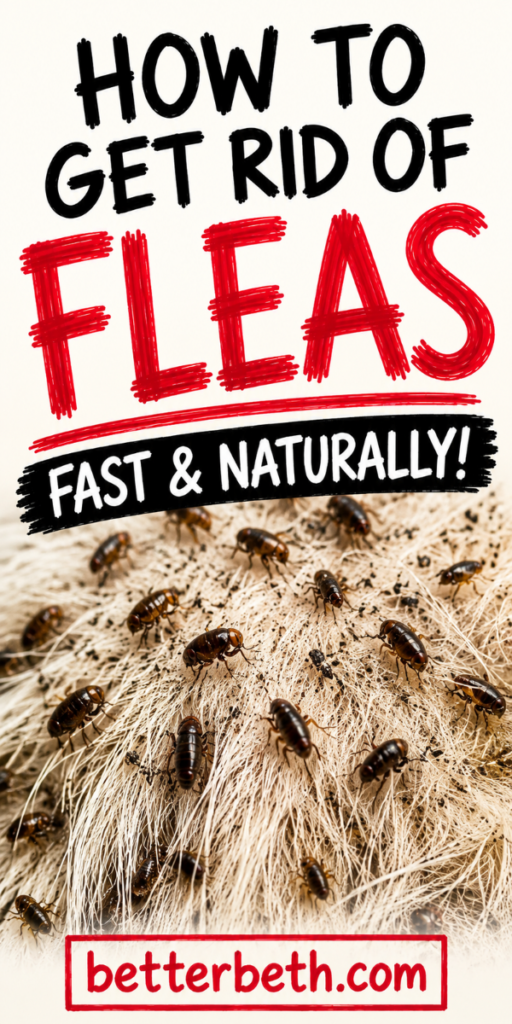
Finding fleas in your house can be frustrating, especially when you keep seeing new ones after cleaning. Fleas do not stay only on pets. Eggs and immature stages can hide in carpets, upholstery, bedding, cracks, and other areas where animals rest.
The most effective approach is to tackle the whole environment at the same time. Here are nine practical steps to help reduce fleas naturally and break the cycle.
1. Vacuum Every Day
Vacuum carpets, rugs, floors, furniture, cracks, and the areas where pets sleep. Frequent vacuuming helps remove flea eggs, larvae, pupae, and adult fleas. Empty the vacuum outside promptly.
2. Wash Pet Bedding
Wash pet beds, blankets, covers, and washable fabrics regularly using the hottest setting that is safe for the material. Dry everything thoroughly.
3. Treat Your Pets
If you have pets, talk to a veterinarian about an appropriate flea-control product. Treat every susceptible pet in the household according to the product instructions. Never use a dog flea product on a cat unless it is specifically labeled as safe for cats.
4. Clean Sofas and Upholstery
Fleas and their immature stages can hide where pets spend time. Vacuum cushions, seams, underneath furniture, and pet beds. Wash removable covers when possible.
5. Use a Flea Comb
A fine flea comb can help remove adult fleas from pets. Comb over a bowl of soapy water and dispose of the collected insects safely. A comb is useful for monitoring, but it should not replace a complete flea-control plan.
6. Reduce Clutter
Fleas prefer protected areas. Reduce piles of blankets, clothing, and other clutter around pet resting areas so you can vacuum and clean more thoroughly.
7. Keep Outdoor Areas Tidy
Trim overgrown grass, remove leaf piles and debris, and discourage stray animals from resting close to the house. Pay particular attention to cool, shaded areas where pets spend time.
8. Be Careful With DIY Remedies
Natural does not automatically mean safe. Avoid putting essential oils, concentrated chemicals, or homemade mixtures directly on pets without veterinary advice. Some substances can be toxic, especially to cats.
9. Repeat the Process
Flea control can take time because eggs and pupae may remain hidden and emerge later. Continue vacuuming, washing bedding, and following the recommended pet-treatment schedule instead of stopping after one cleaning.
How Long Does It Take?
A flea infestation may take several weeks to fully control. Seeing an occasional flea after the first cleanup does not necessarily mean the process failed. Consistency is the key to breaking the flea life cycle.
Quick Prevention Checklist
- Vacuum pet areas frequently.
- Wash pet bedding regularly.
- Keep pets on an appropriate prevention plan.
- Clean upholstery and rugs.
- Keep outdoor resting areas tidy.
- Act quickly when you see the first signs.
Frequently Asked Questions
Can fleas live in a house without pets?
Yes. Flea stages can remain in the environment, and fleas can also be introduced by other animals.
What is the fastest way to reduce fleas indoors?
Combine thorough vacuuming and laundering with appropriate treatment of pets. Removing only visible adult fleas usually does not solve the whole problem.
Can I get rid of fleas naturally?
You can reduce environmental flea activity with cleaning and mechanical removal, but severe infestations may require professional pest control or veterinarian-approved products.
Bottom line: The best natural strategy is consistent cleaning plus appropriate pet care. Vacuum often, wash bedding, clean hidden areas, and keep going long enough to interrupt the flea life cycle.